
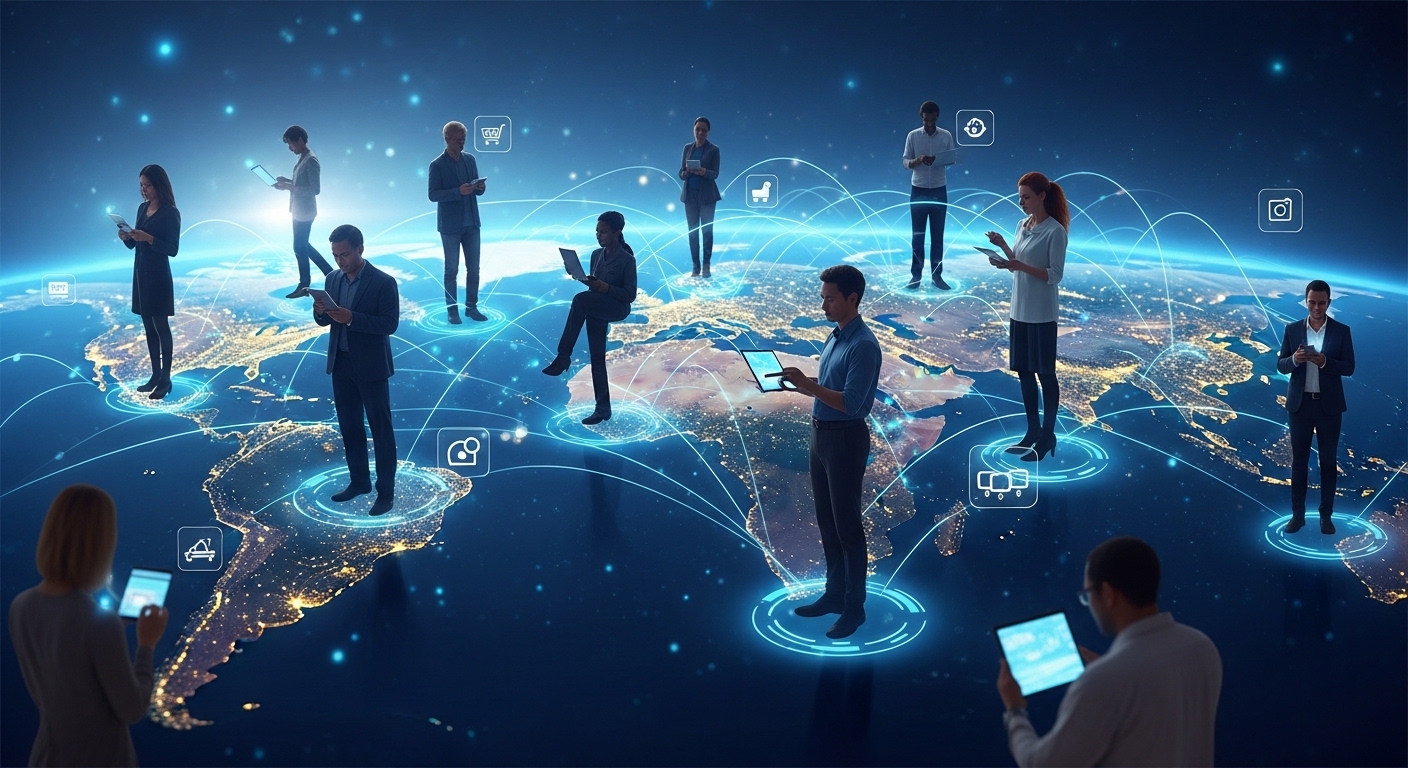
Digital lifestyle changes are transforming human behavior globally as technology becomes deeply embedded in daily routines, communication, work, and entertainment. From smartphones and social media to AI-driven services and online platforms, digital ecosystems are reshaping how people think, interact, make decisions, and build relationships across societies worldwide in profound and lasting ways.
Global Shift Toward Digital Living
Smartphone Dependency Growth
Smartphone usage has become a central part of daily life, influencing how individuals communicate, work, and access information. Constant connectivity is changing attention spans, social habits, and decision-making patterns as people rely heavily on mobile devices for almost every aspect of modern living.
Social Media Behavior Influence
Social media platforms are significantly shaping human behavior by affecting communication styles, self-expression, and social validation. Users increasingly form opinions, follow trends, and engage socially through digital interactions, which influence emotions, relationships, and cultural norms across global societies.
Online Communication Expansion
Digital communication tools such as messaging apps, video calls, and virtual meeting platforms have replaced many traditional face-to-face interactions. This shift is redefining personal and professional relationships while enabling instant global connectivity across different time zones and cultures.
Streaming Culture Adoption
Streaming services for video, music, and entertainment are changing how people consume content. On-demand access has replaced traditional media schedules, influencing lifestyle habits, leisure time management, and entertainment preferences across global audiences.
Digital Payment Integration
Cashless and digital payment systems are becoming widely adopted, changing spending behavior and financial decision-making. Mobile wallets, online banking, and contactless transactions are making financial interactions faster, more convenient, and more secure across global economies.
Technology Driven Behavioral Changes
Attention Span Reduction Trends
Increased exposure to short-form digital content is influencing attention spans, with users preferring quick, engaging information over long-form reading or viewing. This shift is impacting learning patterns, media consumption, and cognitive processing habits worldwide.
Algorithm Based Content Consumption
Algorithms on digital platforms are shaping what people see, watch, and read. This personalized content delivery influences opinions, preferences, and behavior by reinforcing specific interests and limiting exposure to diverse perspectives.
Remote Work Lifestyle Adoption
Remote work has changed professional behavior by increasing flexibility and reducing traditional office dependency. People now structure their work-life balance differently, often blending personal and professional environments in digital spaces.
E Learning Behavior Growth
Online education platforms are transforming learning habits by making education accessible anytime and anywhere. This flexibility encourages self-paced learning and continuous skill development across global populations.
Digital Entertainment Dependence
Entertainment consumption has shifted toward digital platforms such as gaming, streaming, and social media, influencing leisure activities and reducing reliance on traditional offline entertainment formats.
Psychological Impact of Digital Life
Social Validation Seeking
Digital platforms have increased the need for social validation through likes, shares, and comments. This behavior influences self-esteem, decision-making, and emotional well-being in online environments.
Digital Stress and Anxiety
Constant connectivity and information overload are contributing to digital stress and anxiety. Individuals often feel pressure to stay updated, respond quickly, and maintain online presence across platforms.
Comparison Culture Growth
Social media comparison culture is affecting mental health as individuals compare lifestyles, achievements, and appearances with others, shaping self-perception and satisfaction levels globally.
Addiction to Digital Devices
Excessive screen time and device usage are creating behavioral dependency patterns, influencing productivity, sleep cycles, and daily routines across different age groups.
Emotional Expression Online
People increasingly express emotions through digital platforms, using emojis, posts, and comments, which is reshaping traditional communication and emotional interaction patterns.
Economic and Work Behavior Changes
Gig Economy Expansion
Digital platforms have enabled gig-based work opportunities, allowing individuals to earn income through freelancing, delivery services, and online tasks, changing traditional employment structures.
Digital Entrepreneurship Growth
Entrepreneurs are increasingly building online businesses using social media, e-commerce platforms, and digital marketing tools, creating new income streams and global opportunities.
Remote Collaboration Culture
Workplaces are adopting digital collaboration tools that allow teams to work from different locations, improving flexibility but changing workplace interaction dynamics.
Online Consumer Behavior Shift
Consumers are increasingly shopping online, comparing prices digitally, and relying on reviews and recommendations, transforming global retail behavior.
Skill Based Employment Demand
Digital transformation has increased demand for technical and creative skills such as coding, design, and digital marketing, influencing career choices and education paths.
Communication and Social Relationship Changes
Virtual Relationship Building
Relationships are increasingly formed and maintained through digital platforms, changing traditional social interaction patterns and expanding global connectivity.
Decline in Face to Face Interaction
In-person communication is decreasing in some areas as digital communication becomes more convenient, affecting social bonding and interpersonal skills.
Global Cultural Exchange
Digital platforms enable faster cultural exchange, allowing people to share traditions, ideas, and lifestyles across borders more easily than ever before.
Online Community Formation
People are forming communities based on shared interests online, creating new social structures that exist entirely in digital environments.
Language Communication Evolution
Digital communication is influencing language use, including abbreviations, emojis, and hybrid expressions that are reshaping modern communication styles.
Education and Learning Transformation
Digital Classroom Adoption
Educational institutions are integrating digital classrooms, enabling remote learning and interactive teaching methods that expand access to education globally.
Self Paced Learning Trends
Learners now prefer self-paced digital education platforms, allowing them to study according to personal schedules and learning speeds.
Skill Based Online Courses
Online platforms offer specialized skill-based courses that help individuals improve career prospects and adapt to changing job markets.
AI Assisted Learning Tools
Artificial intelligence is enhancing education through personalized learning experiences, adaptive testing, and intelligent tutoring systems.
Global Knowledge Accessibility
Digital platforms have made knowledge more accessible worldwide, reducing barriers to education and enabling lifelong learning opportunities.
Challenges of Digital Lifestyle Changes
Privacy and Data Security Issues
Increased digital activity raises concerns about data privacy, surveillance, and cybersecurity risks affecting individuals and organizations globally.
Digital Addiction Risks
Overuse of digital devices can lead to behavioral addiction, affecting mental health, productivity, and real-world interactions.
Misinformation Spread Problems
Digital platforms can spread misinformation rapidly, influencing public opinion and creating confusion in society.
Social Isolation Concerns
Excessive digital engagement may reduce real-world interactions, leading to feelings of isolation in some individuals.
Unequal Digital Access
Not all regions have equal access to digital technologies, creating gaps in opportunities and information availability.
Future of Digital Human Behavior
AI Integrated Daily Life
Artificial intelligence will become more integrated into daily activities, influencing decisions, communication, and lifestyle choices.
Smart Environment Expansion
Smart homes and cities will further shape human behavior through automated systems and connected devices.
Virtual Reality Social Spaces
Virtual reality will create immersive social environments, changing how people interact, work, and entertain themselves.
Personalized Digital Ecosystems
Future digital systems will become highly personalized, adapting to individual preferences and behaviors in real time.
Human Technology Symbiosis
The relationship between humans and technology will deepen, creating a more interconnected digital lifestyle globally.
FAQs
How is digital lifestyle changing human behavior?
It is reshaping communication, work habits, and social interactions through technology.
What are the main effects of social media?
It influences opinions, relationships, and emotional well-being.
Does digital life affect mental health?
Yes, it can cause stress, anxiety, and comparison-based behavior.
How does digital technology change work?
It enables remote work, freelancing, and global collaboration.
What is the future of digital lifestyles?
It will become more AI-driven, personalized, and immersive.
Conclusion
Digital lifestyle changes are profoundly influencing human behavior across the globe by reshaping communication, work, education, and social interaction. As technology continues to evolve, its impact on daily life will deepen further. While it offers convenience and global connectivity, it also brings challenges that require balance, awareness, and responsible use for a healthier digital future worldwide.
