
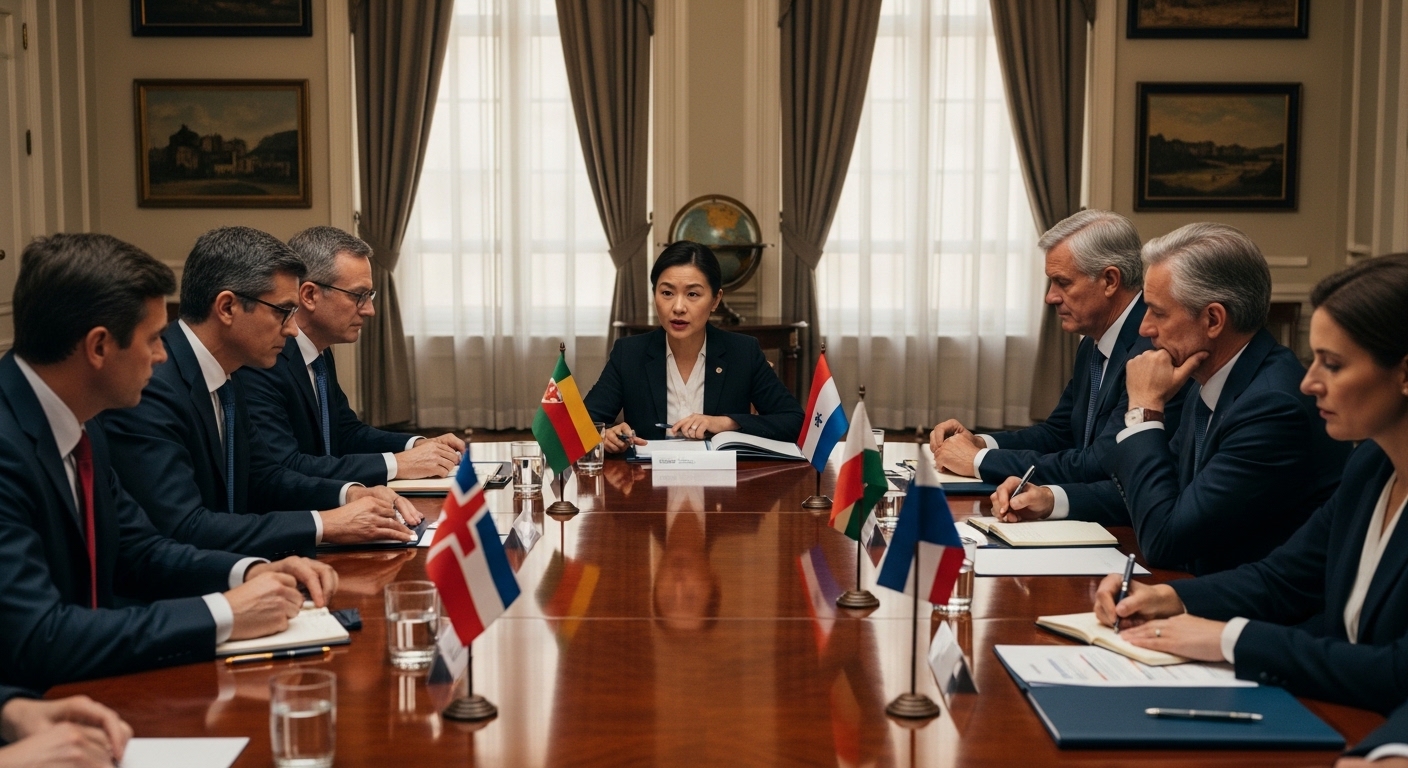
Global diplomatic efforts are increasingly focused on reducing international conflicts as nations engage in structured talks to resolve political tensions, security disputes, and economic disagreements. In an era marked by geopolitical uncertainty, diplomatic negotiations play a crucial role in maintaining global stability, preventing escalation, and promoting peaceful cooperation among countries worldwide.
Global Diplomatic Engagement Trends
Peace Negotiation Initiatives
Peace negotiation initiatives are expanding as countries prioritize dialogue over confrontation to resolve long-standing disputes. International mediators and organizations facilitate structured discussions aimed at achieving ceasefires, conflict resolution, and long-term peace agreements across regions experiencing political instability and armed tensions.
Bilateral Dialogue Expansion
Bilateral diplomatic talks between nations are increasing as governments seek direct communication channels to address shared concerns. These discussions help improve trade relations, security cooperation, and mutual understanding, reducing the likelihood of misunderstandings that could escalate into larger conflicts.
Multilateral Summit Cooperation
Multilateral summits bring together multiple countries to address global issues such as security, climate change, and economic stability. These platforms encourage collaboration, foster consensus-building, and create frameworks for joint action to reduce international tensions and promote peaceful coexistence.
Conflict Mediation Efforts
International mediation efforts are playing a vital role in resolving disputes between conflicting parties. Neutral mediators, including global organizations and diplomatic envoys, facilitate negotiations, encourage compromise, and help establish frameworks for sustainable peace agreements in volatile regions.
Diplomatic Communication Channels
Diplomatic communication channels are being strengthened to ensure continuous dialogue between nations during crises. Embassies, foreign ministries, and international organizations use structured communication systems to prevent misunderstandings and maintain open lines of negotiation even during periods of tension.
Major Drivers of International Diplomacy
Geopolitical Stability Needs
The need for geopolitical stability is driving countries to engage in diplomatic talks aimed at preventing conflicts. Nations recognize that instability can disrupt global trade, security, and economic growth, making diplomacy essential for maintaining international order.
Economic Interdependence Factors
Global economic interdependence encourages diplomatic cooperation as countries rely on each other for trade, resources, and investment. This interconnectedness motivates governments to resolve disputes peacefully to avoid economic disruptions and maintain stable international markets.
Security Threat Reduction
Diplomatic talks are essential for reducing security threats such as terrorism, cyberattacks, and military escalation. Nations collaborate to share intelligence, establish security agreements, and develop strategies to counter emerging global threats.
Humanitarian Crisis Response
Humanitarian crises often prompt diplomatic negotiations to ensure aid delivery, refugee protection, and conflict resolution. International cooperation is critical in addressing the needs of affected populations and stabilizing crisis regions.
International Law Compliance
Respect for international law drives diplomatic engagement as countries work within established legal frameworks to resolve disputes. Treaties, conventions, and arbitration mechanisms provide structured approaches to managing conflicts peacefully.
Role of International Organizations
United Nations Mediation
The United Nations plays a central role in mediating international conflicts by facilitating negotiations, deploying peacekeeping missions, and supporting diplomatic resolutions between conflicting parties worldwide.
Regional Alliance Cooperation
Regional organizations such as economic and security alliances promote diplomatic collaboration among neighboring countries. These groups help address regional disputes and strengthen collective stability through coordinated policies and dialogue.
Peacekeeping Mission Deployment
Peacekeeping missions are deployed in conflict zones to maintain ceasefires, protect civilians, and support diplomatic efforts aimed at long-term peacebuilding and stabilization.
International Arbitration Systems
Arbitration systems provide neutral platforms for resolving disputes between nations through legal and diplomatic procedures, reducing the need for military confrontation.
Global Conflict Monitoring
International monitoring systems track global conflicts and provide early warnings to prevent escalation. These systems support diplomatic intervention before disputes become severe.
Challenges in Diplomatic Negotiations
Political Ideology Differences
Differences in political ideologies often complicate diplomatic negotiations as nations hold opposing views on governance, security, and economic policies, making consensus more difficult to achieve.
Historical Conflict Tensions
Long-standing historical disputes create barriers to diplomatic progress, as unresolved grievances and mistrust continue to influence negotiations between countries.
Economic Sanctions Impact
Economic sanctions can both encourage and hinder diplomatic talks, creating pressure for negotiation while also increasing tensions between involved nations.
Military Escalation Risks
Ongoing military activities or threats of escalation can undermine diplomatic efforts, making it harder to establish trust and reach agreements.
Communication Breakdown Issues
Miscommunication or lack of clear dialogue between nations can lead to misunderstandings, delaying progress in diplomatic negotiations.
Strategies for Conflict Resolution
Negotiated Settlement Approaches
Negotiated settlements involve structured discussions where conflicting parties agree on mutually acceptable solutions, reducing the likelihood of future disputes.
Third Party Mediation
Neutral third-party mediators help facilitate dialogue between conflicting nations, ensuring balanced communication and encouraging compromise.
Confidence Building Measures
Confidence-building measures such as joint agreements and transparency initiatives help reduce mistrust and encourage cooperation between nations.
Economic Cooperation Agreements
Economic cooperation agreements create shared benefits that incentivize peaceful relations and reduce incentives for conflict between countries.
Cultural Exchange Programs
Cultural exchange initiatives promote mutual understanding between nations by encouraging people-to-people interaction and reducing political tensions.
Impact of Diplomatic Talks on Global Stability
Reduced Conflict Escalation
Diplomatic talks help prevent conflicts from escalating into full-scale wars by encouraging dialogue and peaceful resolution strategies.
Strengthened International Relations
Successful negotiations improve diplomatic relationships between countries, fostering long-term cooperation and mutual trust.
Global Trade Stability
Peaceful international relations support stable global trade systems, reducing disruptions caused by political or military conflicts.
Improved Security Cooperation
Diplomatic agreements enhance international security cooperation, enabling countries to work together against common threats.
Enhanced Global Cooperation
Diplomacy encourages collaboration on global challenges such as climate change, health crises, and economic instability.
Future of International Diplomacy
Digital Diplomacy Growth
Digital platforms are transforming diplomacy by enabling faster communication, virtual negotiations, and real-time international coordination.
AI Assisted Conflict Analysis
Artificial intelligence is increasingly used to analyze conflict patterns and support diplomatic decision-making processes.
Preventive Diplomacy Expansion
Preventive diplomacy focuses on addressing tensions early before they escalate into major conflicts, improving global stability.
Global Governance Evolution
International governance systems are evolving to better manage complex global challenges through stronger diplomatic frameworks.
Youth Involvement in Diplomacy
Younger generations are becoming more involved in diplomacy through academic programs, global forums, and international youth initiatives.
FAQs
Why are diplomatic talks important?
They help prevent conflicts and promote peaceful international relations.
Which organizations support diplomacy?
The United Nations and regional alliances play key roles.
What challenges do diplomats face?
Ideological differences, mistrust, and geopolitical tensions are major challenges.
How do diplomatic talks prevent war?
They encourage dialogue and peaceful negotiation instead of military action.
What is the future of diplomacy?
It will become more digital, data-driven, and globally integrated.
Conclusion
Diplomatic talks remain essential for reducing international conflicts and maintaining global stability in an increasingly interconnected world. Through negotiation, cooperation, and mediation, nations can address disputes peacefully and strengthen international relations. As diplomacy evolves with technology and global participation, it will continue playing a vital role in shaping a more stable and cooperative global future.
