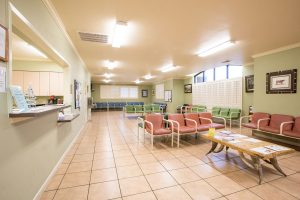
Community clinics are adding Saturday walk-in health checks, making it easier for people who work all week to look after the basics without booking weeks ahead. The sessions offer blood pressure readings, weight and lifestyle advice, vaccination catch-ups and simple screening conversations, with referrals arranged whenever something needs a closer look. Clinic staff say many adults quietly postpone routine checks for years, not from carelessness but because weekday appointments clash with work, caring duties and travel. A Saturday queue, they hope, will feel more manageable and less formal than a hospital visit. Nurses are keen to stress that the checks are for everyone, including people who feel perfectly well, since conditions such as high blood pressure often have no symptoms at all. Local employers and community groups are helping spread the word, particularly to residents who rarely visit a doctor. Health managers describe the sessions as prevention in its most practical form: catching small risks early, in a familiar building, before they become emergencies that cost patients and services far more.
What the Evidence Shows
Nurses running Saturday walk-in health checks say the relaxed format encourages questions people might not raise in a rushed weekday appointment. Visitors can talk through sleep, smoking, diet and exercise without judgement, and leave with a simple plan rather than a lecture. Clinics are keeping records carefully so results join each patient’s normal notes and follow-up tests are not lost. Interpreters and accessible rooms are available at the larger sites, and staff are learning which hours draw the biggest queues so rosters can adapt. Pharmacies nearby are coordinating on flu jabs and blood pressure checks to avoid duplication. Early visitors say the biggest relief is simply being able to walk in, be seen and get on with the weekend. If demand stays strong, health teams plan to rotate the Saturday sessions between neighbourhood clinics, spreading the benefit while keeping each site’s workload sustainable through the winter months. Patients can simply arrive, register at reception and wait their turn. Reporting and analysis from sources such as BBC News track the same developments, and specialists following Saturday walk-in health checks say the direction is now consistent across independent lines of evidence.
The Wider Context
The wider context is a public conversation conducted at a speed institutions were not built for. Developments around Saturday walk-in health checks are announced, contested and revised within a single news cycle, and the officials involved have learned to publish evidence alongside claims so that scrutiny can actually occur. Trust, the polling suggests, follows that transparency more than it follows confidence.
What Happens Next
What happens next in the story of Saturday walk-in health checks will be decided in the places where it is being implemented, measured and argued about in public. The officials and organisations involved have committed to publishing progress data, and that commitment gives residents, businesses and journalists something firmer than promises to judge. The next milestones are dated, which means they can be checked. You can follow related developments in our coverage of news.
None of this will be settled by a single announcement, study or product launch. The pattern to watch is accumulation: independent confirmations, honest reporting of failures and steady improvement in the underlying numbers. Readers who follow those signals, rather than the loudest claim of the week, will understand this subject better than most of the commentary surrounding it suggests is possible.