
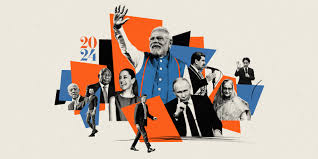
Elections are increasingly shaping the global balance of power as nations experience shifting political leadership, evolving voter expectations, and intensified democratic participation. Across continents, electoral outcomes are influencing economic strategies, foreign policies, and international alliances, creating widespread changes that redefine governance structures and political stability in an interconnected world today.
Electoral Power Shifts Across Nations
Changing Voting Patterns
Changing voting patterns are emerging as younger populations, urban voters, and digitally connected citizens increasingly influence electoral outcomes. These shifts are reshaping political landscapes, challenging traditional parties, and encouraging new campaign strategies across global democracies experiencing rapid transformation and evolving public expectations in modern governance.
Electoral Reform Movements
Electoral reform movements are gaining momentum as countries seek to improve transparency, reduce corruption, and strengthen democratic institutions. These reforms are influencing governance structures, increasing voter trust, and reshaping political systems across nations undergoing significant political and institutional transformation in response to demand for accountability.
Voter Engagement Trends
Voter engagement trends are increasing as citizens become more politically aware through digital platforms, social media, and real time news access. Higher participation levels are influencing election outcomes and encouraging governments to prioritize transparency, communication, and responsiveness across democratic systems worldwide experiencing evolving political participation.
Youth Voting Influence
Youth voting influence is becoming a decisive factor in global elections as younger generations demand progressive policies, climate action, and digital innovation. Their participation is reshaping political agendas, increasing competition among parties, and driving long term changes in governance and electoral strategies across democratic nations.
Election Technology Use
Election technology use is expanding through digital voting systems, biometric verification, and data driven monitoring tools that improve efficiency and reduce fraud risks. These innovations are modernizing electoral processes, increasing transparency, and strengthening trust in democratic systems across countries adopting advanced governance technologies worldwide today.
Democratic Transitions and Governance
Democratic Transition Processes
Democratic transition processes are occurring in many countries as political systems evolve toward greater openness, accountability, and institutional reform. These transitions influence governance stability, electoral fairness, and international relations while shaping long term political development across nations experiencing systemic change and reform driven leadership globally.
Governance Transparency Growth
Governance transparency growth is improving as governments adopt digital tools, open data systems, and accountability frameworks to enhance public trust. These developments are strengthening institutional performance, reducing corruption risks, and improving citizen engagement across global political systems undergoing modernization and reform efforts today worldwide now globally.
Institutional Reform Movements
Institutional reform movements are reshaping governance structures as countries implement policies aimed at improving efficiency, accountability, and legal frameworks. These reforms are influencing political stability, public trust, and administrative effectiveness across global governments undergoing significant structural transformation and modernization initiatives across worldwide systems today now.
Anti Corruption Policies
Anti corruption policies are being strengthened globally as governments introduce stricter regulations, transparency requirements, and enforcement mechanisms. These measures are improving public trust, reducing financial misconduct, and enhancing governance quality across nations committed to institutional integrity and democratic accountability reforms worldwide today across systems now.
Public Administration Digitization
Public administration digitization is transforming government services through online platforms, automation, and data management systems that improve efficiency and accessibility. These innovations are enhancing citizen services, reducing bureaucracy, and modernizing governance structures across global political institutions undergoing digital transformation worldwide today across systems now globally.
Economic Policy and Election Outcomes
Election Driven Economic Policy
Election driven economic policy changes are influencing government spending, taxation, and fiscal planning as new leadership takes office following electoral outcomes. These shifts affect investor confidence, market stability, and long term economic growth across countries experiencing political transitions and policy realignments worldwide today now globally.
Fiscal Policy Adjustments
Fiscal policy adjustments are being implemented after elections as governments reassess budgets, public spending priorities, and debt management strategies. These changes influence economic stability, inflation control, and investor sentiment across global markets undergoing political and financial restructuring worldwide today across systems now globally economy shift.
Economic Reform Agendas
Economic reform agendas are gaining momentum following elections as governments introduce structural changes to improve growth, reduce debt, and enhance competitiveness. These reforms influence business confidence, investment flows, and long term economic stability across nations undergoing political and fiscal transformation worldwide today now globally systems.
Government Spending Priorities
Government spending priorities are shifting after elections as new administrations focus on infrastructure, healthcare, education, and economic development programs. These changes influence fiscal stability, public services, and long term growth strategies across global economies experiencing political transitions worldwide today across systems now globally shift trend.
Tax Policy Changes
Tax policy changes are frequently introduced after elections as governments adjust revenue systems to support economic goals, reduce deficits, and stimulate growth. These policies influence business operations, consumer spending, and investment decisions across global economies undergoing fiscal transformation worldwide today across systems now globally shift.
Geopolitical Realignment Through Elections
Power Balance Shifts
Power balance shifts are occurring globally as election outcomes change leadership structures, foreign policy directions, and international alliances. These shifts influence geopolitical stability, economic partnerships, and global strategic decision making across nations experiencing political transitions and electoral change worldwide today across systems now globally shift.
Alliance Restructuring Trends
Alliance restructuring trends are emerging as countries reassess diplomatic relationships following election results and shifting political ideologies. These changes impact military cooperation, trade agreements, and international policy coordination across global regions undergoing geopolitical transformation worldwide today across systems now globally political economic shift trends change.
Regional Influence Competition
Regional influence competition is intensifying as nations compete for political, economic, and strategic dominance following electoral outcomes. These dynamics shape international relations, security alliances, and economic partnerships across global regions experiencing shifting leadership and policy priorities worldwide today across systems now globally shift power trends.
Diplomatic Policy Changes
Diplomatic policy changes are being implemented after elections as new governments redefine foreign relations, trade priorities, and international cooperation strategies. These changes influence global stability, economic partnerships, and geopolitical alignment across nations adapting to new political leadership worldwide today across systems now globally shift trend.
Geopolitical Strategy Shifts
Geopolitical strategy shifts are emerging as countries adjust foreign policy approaches based on election results and leadership transitions. These shifts influence global alliances, security frameworks, and economic cooperation across international systems experiencing political change worldwide today across systems now globally strategic realignment trend.
Voter Behavior and Digital Influence
Social Media Political Impact
Social media political impact is growing as platforms influence voter opinions, political campaigns, and public discourse during elections. Digital engagement shapes narratives, spreads information rapidly, and affects electoral outcomes across global democracies experiencing increasing online political activity worldwide today across systems now globally shift trend.
Digital Campaign Strategies
Digital campaign strategies are transforming elections as political parties use data analytics, targeted advertising, and online platforms to reach voters. These methods improve engagement, increase outreach efficiency, and reshape political competition across global electoral systems worldwide today across systems now globally shift trends digital impact.
Information Warfare Concerns
Information warfare concerns are increasing as misinformation, propaganda, and digital manipulation influence elections and public opinion. Governments and organizations are developing strategies to counter false information and protect democratic processes across global political systems worldwide today across systems now globally shift trend stability risk control.
Online Political Engagement Rise
Online political engagement rise is reshaping voter participation as citizens use digital platforms to discuss policies, follow campaigns, and interact with political leaders. This shift increases accessibility, transparency, and civic involvement across global electoral systems worldwide today across systems now globally shift trends digital society.
Voter Data Analytics
Voter data analytics is increasingly used by political campaigns to understand voter behavior, preferences, and demographics. This data driven approach enhances targeting accuracy, improves campaign efficiency, and influences electoral strategies across global democracies worldwide today across systems now globally shift trends analysis data insight use.
Financial Markets and Electoral Reactions
Stock Market Election Response
Stock market election response is highly sensitive as investors react to political outcomes, policy expectations, and leadership changes. Market volatility increases during election periods as uncertainty influences trading behavior and investment decisions across global financial systems worldwide today across systems now globally shift market trends.
Currency Market Reactions
Currency market reactions are influenced by election outcomes as political stability, economic policies, and investor confidence affect exchange rates. Forex markets respond quickly to uncertainty and policy shifts across global economies worldwide today across systems now globally shift trends analysis data insight use market volatility.
Bond Market Stability Concerns
Bond market stability concerns arise during elections as investors evaluate government debt policies, inflation risks, and interest rate expectations. Political uncertainty can lead to fluctuations in bond yields and investor sentiment across global financial markets worldwide today across systems now globally shift trends analysis data data.
Investor Confidence Fluctuation
Investor confidence fluctuation is common during election cycles as political uncertainty, policy changes, and leadership transitions affect market expectations. Investors adjust portfolios to manage risk across global financial systems worldwide today across systems now globally shift trends analysis data insight use financial risk.
Safe Haven Asset Demand
Safe haven asset demand increases during elections as investors seek stability in gold, government bonds, and stable currencies. Political uncertainty drives capital flows toward low risk investments across global financial markets worldwide today across systems now globally shift trends analysis data insight use market volatility.
Future of Global Electoral Power Balance
Emerging Democratic Trends
Emerging democratic trends are reshaping global political systems as countries adopt more transparent, inclusive, and technology driven electoral processes. These trends are influencing governance structures, voter participation, and international relations across evolving democracies worldwide today across systems now globally shift trends analysis data insight use.
Future Voting Systems
Future voting systems are evolving with digital technologies such as blockchain, biometric verification, and secure online platforms designed to improve transparency and efficiency in elections. These innovations are reshaping democratic processes across global political systems worldwide today across systems now globally shift trends data security.
Global Electoral Cooperation
Global electoral cooperation is increasing as nations collaborate to strengthen democratic institutions, share best practices, and improve election security. These partnerships enhance transparency, reduce interference risks, and support stable governance across international political systems worldwide today across systems now globally shift trends analysis data security.
Political Stability Forecasts
Political stability forecasts are becoming more important as analysts evaluate election outcomes, policy decisions, and global risks. These forecasts help governments, investors, and organizations anticipate changes in political environments across nations experiencing electoral transitions worldwide today across systems now globally shift trends analysis data insight.
Long Term Power Balance Outlook
Long term global power balance will depend on election outcomes, governance quality, and international cooperation across nations navigating political and economic change. As democratic systems evolve, electoral influence will continue shaping global leadership structures and stability across worldwide systems now globally shift trend.
FAQs
How do elections affect global power?
Elections change leadership, policies, and international alliances across countries.
Why are elections important for markets?
They influence investor confidence, economic policies, and market stability.
How does digital media impact elections?
It shapes voter opinions and accelerates information spread globally.
What role does youth voting play?
Youth voters influence progressive policies and political priorities.
Can elections change global relations?
Yes, they often reshape diplomatic and trade relationships between nations.
Conclusion
Elections across the world continue to redefine the balance of political power, economic direction, and global cooperation. As voter behavior evolves and technology influences campaigns, governments must adapt to changing expectations. The future will depend on transparency, stability, and innovation, ensuring stronger democratic systems and improved international relations amid ongoing global transformation today worldwide across systems now globally shift trend.
