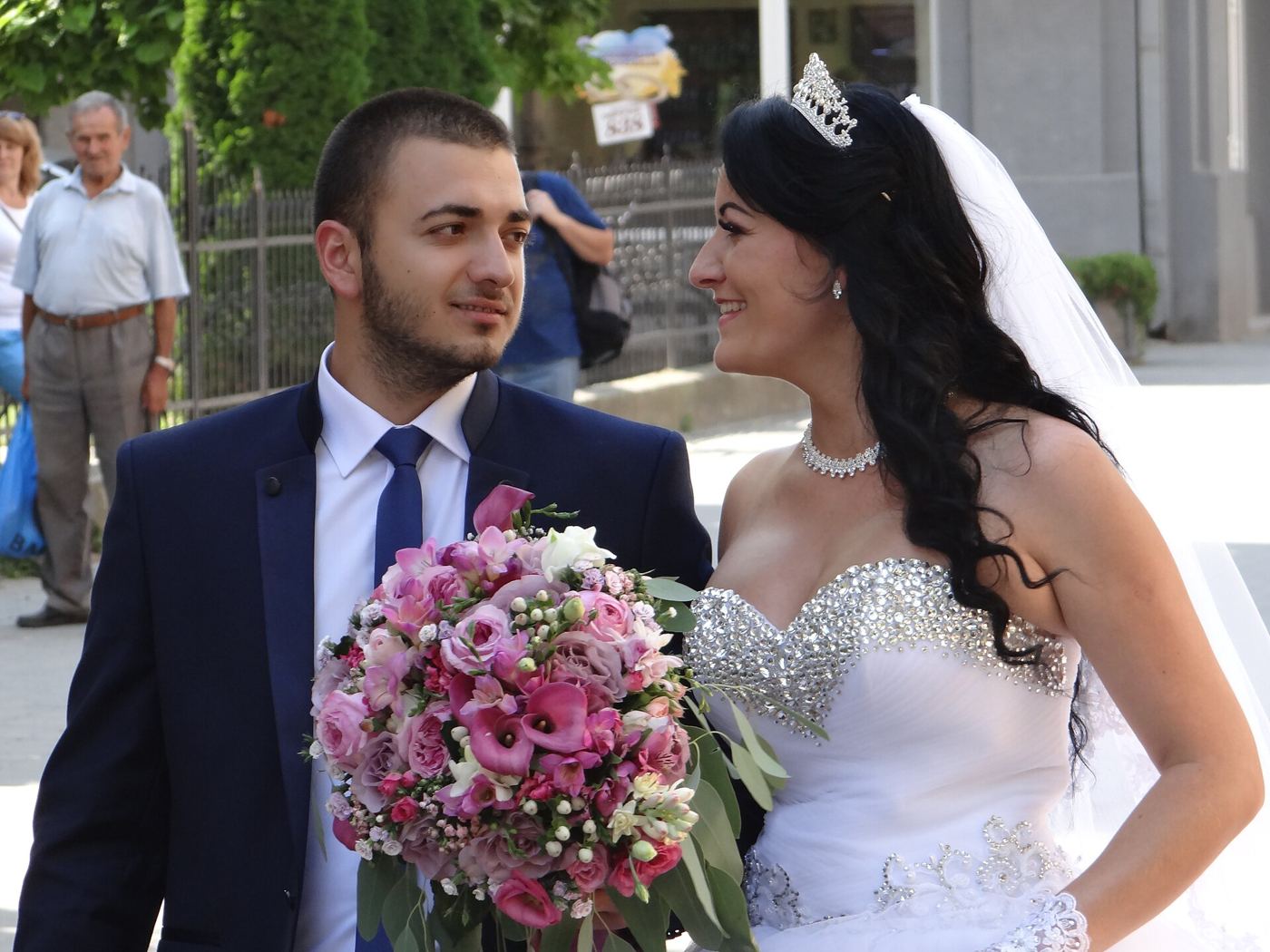
Couples are planning weddings on a budget without losing the day, finding that a smaller, thoughtful celebration can feel just as special as a lavish one. Weddings are expensive, with the venue, food, photography and outfits adding up quickly, and many couples say the costs crept up far beyond what they first expected. Money advisers say the most useful first step is to agree a total budget before booking anything, and to decide together which three things matter most, whether that is the food, the music or the photographs. The guest list drives much of the cost, since every extra guest adds a meal, a chair and a favour, so a shorter list is the fastest way to save. Weekday or out-of-season dates, a simpler menu and a smaller cake can all cut hundreds of pounds. Couples who plan carefully say the day itself feels no less joyful for the savings.
What the Evidence Shows
Experts advise keeping a simple spreadsheet of every cost, including the easy-to-forget extras such as postage, transport and tips. Paying deposits by credit card can add protection on larger bookings, and couples should read cancellation terms before signing a venue contract. Borrowing to pay for a wedding is best avoided, advisers warn, since starting married life in debt takes the shine off the day. Friends and family can help with music, flowers or baking, and second-hand dresses and decorations can look just as good as new ones. A regular savings plan, started as soon as the date is set, spreads the cost across the months. For couples, the lesson is encouraging: a wedding planned around what matters most costs less and is remembered more fondly. Reporting and analysis from sources such as International Monetary Fund track the same developments, and specialists following planning a wedding on a budget say the direction is now consistent across independent lines of evidence.
The Wider Context
The wider context is a financial system repricing risk after a long era of cheap money. Decisions shaped by planning a wedding on a budget are being made under closer supervisory attention, with stress tests and disclosure rules that assume conditions can worsen quickly. Institutions that planned for the benign case are adjusting in public, which is uncomfortable and healthy in equal measure.
What Happens Next
What happens next with planning a wedding on a budget will be visible first in the data that professionals watch weekly: flows, spreads and the terms on new deals. Participants who spoke for this article expect a period of adjustment rather than drama, with the biggest effects landing on those who assumed the old conditions were permanent. Planning, as ever, is the cheapest hedge. You can follow related developments in our coverage of finance.
There is a practical lesson in all of this for readers deciding what to do today. Start with the verified facts, be wary of anyone promising certainty, and prefer reversible steps while the evidence is still developing. Circumstances differ by country, income and personal situation, so general guidance should always be weighed against your own context before you act on it in any significant or lasting way.