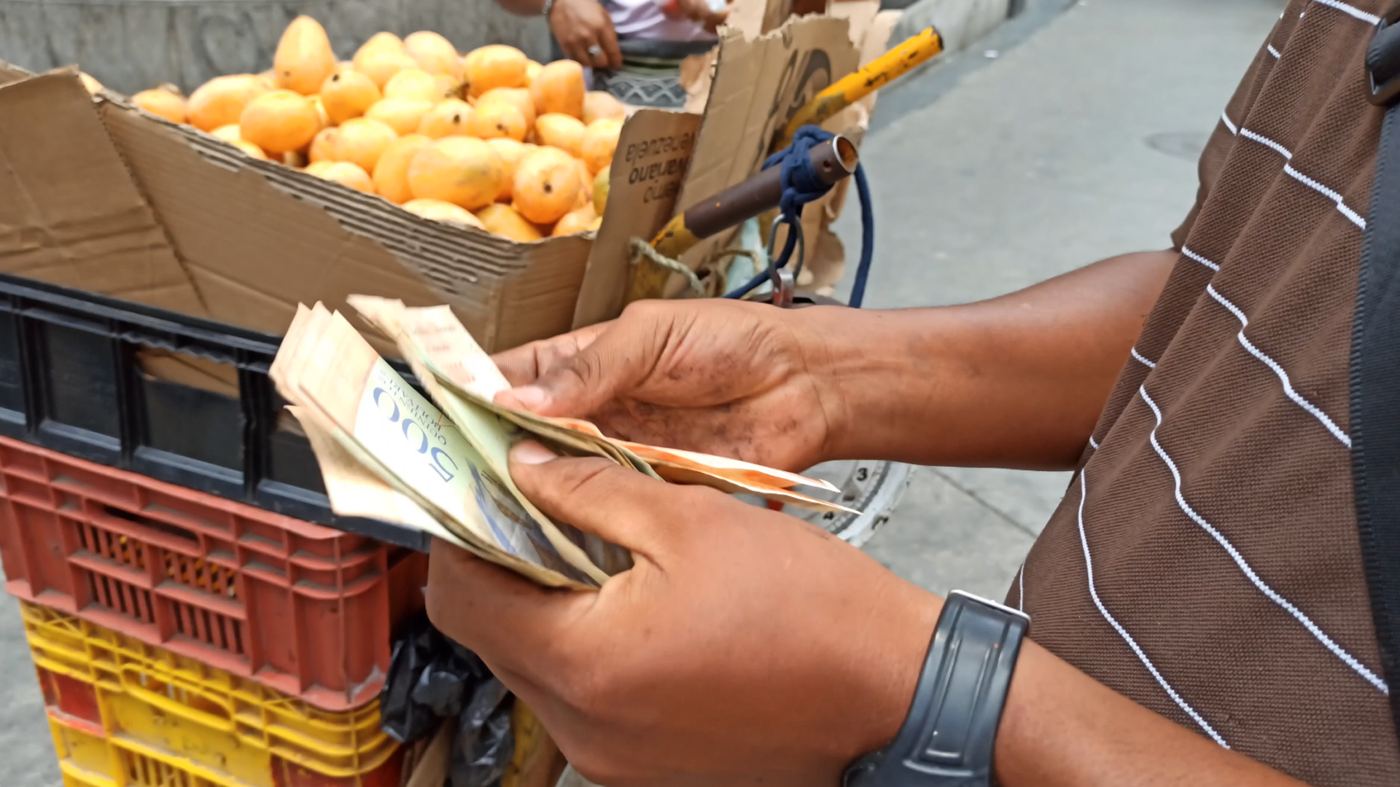
In countries where inflation is running high, savers watch their money lose value almost every week, and many are turning to dollar-pegged stablecoins as a way to hold on to what they have. A worker paid in local currency can convert part of each pay packet into a stablecoin on a phone, keeping it in a digital wallet until it is needed for rent, food or school fees. The appeal is straightforward: while the local currency falls, the stablecoin keeps its value against the dollar, and the money can be moved or spent without a bank account. Shopkeepers in some cities now accept stablecoins directly, and informal networks of agents help people convert them back into cash. Economists say the practice amounts to a quiet form of dollarisation, happening from the bottom up rather than through government policy. For households, it is less about speculation than survival, and the stablecoin in the phone has become a practical tool for protecting the value of a week’s wages.
What the Evidence Shows
Governments in affected countries are responding in different ways, and not all of them welcome the trend. Some have tried to restrict stablecoin use, worried that it weakens control over the currency and makes it harder to collect tax. Others have taken a lighter approach, allowing the practice while working on rules for the exchanges and agents involved. Users face risks too, since a stablecoin is only as sound as the reserves behind it, and a phone lost or stolen can mean savings gone. Aid organisations note that the trend is a signal of deeper problems, since people only flee their own currency when it no longer stores value. Whether governments embrace or resist it, the use of stablecoins by ordinary savers in high-inflation economies looks set to grow, and it is reshaping how money works in those places. Reporting and analysis from sources such as European Central Bank track the same developments, and specialists following stablecoins inflation hedge savers say the direction is now consistent across independent lines of evidence.
The Wider Context
The wider context is a sector being absorbed, piece by piece, into the regulated financial mainstream. Work on stablecoins inflation hedge savers now happens under licensing regimes, audit expectations and consumer-protection rules that would have been unrecognisable a few years ago. Long-standing participants are divided between relief at the legitimacy and regret for the experiment’s wilder freedoms.
What Happens Next
What happens next for stablecoins inflation hedge savers will be shaped by the interaction of regulation, market appetite and the sector’s own capacity for self-inflicted wounds. The infrastructure is more professional than it was, the rules are clearer, and the remaining question is whether growth can stay boring. Participants with the longest memories say boring would be the real milestone. You can follow related developments in our coverage of crypto.
None of this will be settled by a single announcement, study or product launch. The pattern to watch is accumulation: independent confirmations, honest reporting of failures and steady improvement in the underlying numbers. Readers who follow those signals, rather than the loudest claim of the week, will understand this subject better than most of the commentary surrounding it suggests is possible.